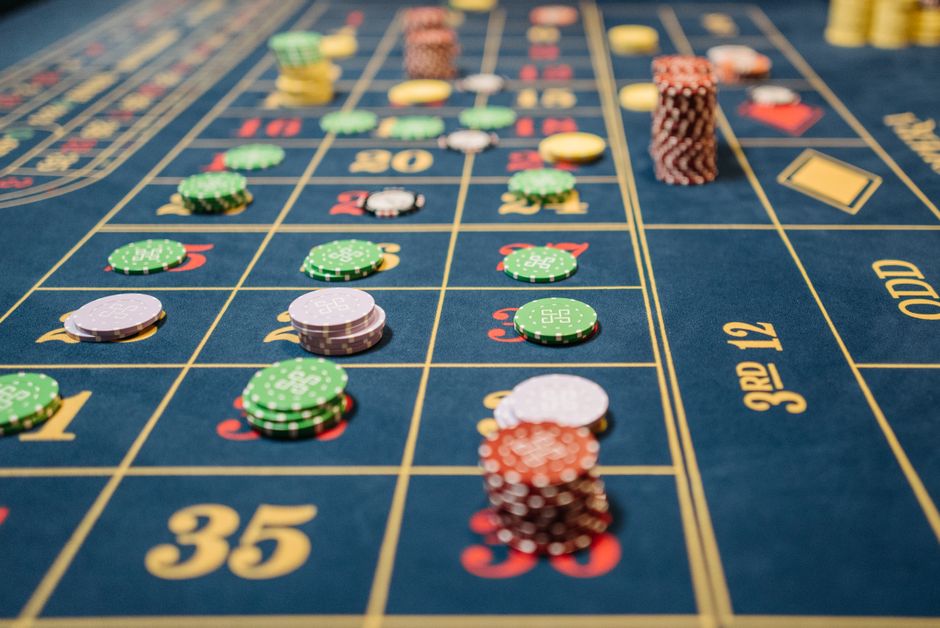
Every slot player has heard the phrase "the house always wins." It's technically true over millions of spins, but it's also the kind of lazy shorthand that hides everything interesting about how casino games actually work. If you've ever wondered why your buddy hit three jackpots on a Tuesday night while you fed the same machine for two hours and walked away with nothing, the answer isn't luck, karma, or which chair you were sitting in. It's math. Specifically, it's the interplay between return to player, variance, and the way modern slot engines are built. Understand those three things and you stop playing like a tourist.
Return to Player, or RTP, is the percentage of all wagered money a game is designed to pay back to players over an enormous number of spins. A 96% RTP slot keeps 4% as house edge over the long haul. That number matters, but here's the trap most players fall into: they treat 96% like a savings account interest rate. It isn't. RTP is calculated across millions of spins, often billions. In any single session of 200 or 300 spins, your personal result can swing wildly in either direction. You might hit 300% or you might hit 20%. Both outcomes are perfectly consistent with a 96% RTP.
Where RTP becomes genuinely useful is when you're comparing games. A pragmatic player looks at the spread between, say, a 94.2% RTP slot and a 97.1% RTP slot and understands that over hundreds of hours, that 3% gap compounds into real money. Casinos don't hide this information anymore, either. Most regulated markets, from the UK to Malta to numerous US states, require operators to publish RTP. In land-based casinos and some online lobbies, you can often find it buried in the game's info screen. Make a habit of checking before you spin.
If RTP is the destination, variance (sometimes called volatility) is the road you take to get there. Two slots with identical 96% RTP can behave completely differently. A low-variance slot like Starburst pays small amounts frequently. You'll rarely lose your entire balance quickly, but you'll also rarely multiply it. A high-variance slot like Book of Dead or most Megaways titles can eat 200 spins without a single meaningful hit, then deliver a 500x bonus round that changes your night. L'Avenue Dubai covers this in more detail.
Neither is objectively better. It depends on your bankroll and your temperament.
Variance also explains why "hot" and "cold" machines are a myth. A machine doesn't know it just paid out. Every spin is independent on a certified RNG. The cold machine you abandoned isn't "due."
If you only play slots, you're choosing one of the worst house edges in the building. That's not a moral judgment, it's just arithmetic. Compare a few standard games:
What slots offer in exchange for that higher edge is the chance at a life-changing multiplier. No blackjack hand pays 10,000x. That's the trade. If you want longer play and better odds, learn basic blackjack strategy (a simple chart, memorized in an afternoon). If you want the lottery-ticket thrill, play slots and accept the cost of admission.
Poker deserves its own conversation because it sits apart from every other game in the casino. You're not playing the house. You're playing other players, and the house takes a rake, usually 5% up to a cap of $3 at low-stakes online tables. This means poker is the only casino game with a potentially positive expected value for a skilled player. But "potentially" is doing a lot of work in that sentence. Most players lose. The winners are typically those who master three things:
Poker rewards patience in a way slots never will. If you enjoy mental sparring and don't mind studying, it's the deepest game in the building. If you want mindless entertainment, poker will punish you.
Ask ten losing gamblers what went wrong and nine will mention bad luck. The tenth will admit they didn't have a plan. Bankroll management is unglamorous but it's the only variable you fully control. A few concrete rules that experienced players actually follow:
Also, know the rules where you play. Regulated markets like the UK require operators to offer deposit limits, reality checks, and self-exclusion tools. Use them. Not because you're a problem gambler, but because they're the seatbelt you hope you never need.
Over enough spins, the house edge takes its cut. That's non-negotiable. But within that reality there's plenty of room for smarter play. Pick games with better RTP. Match variance to your bankroll and your mood. Learn basic strategy for the table games where skill is real. Treat bonuses like math problems, not free money, because the wagering requirements are where operators make their margin back. And accept that a session is a single frame in a very long movie. The players who enjoy this hobby for decades aren't the ones who got lucky once. They're the ones who respected the math, set limits, and kept the whole thing entertainment rather than a strategy for paying rent.